

Behind the scenes: how a Magician prepares for an event

Let’s be honest... how magicians prepare can send your event one of two ways:
Your guests loosen up, mingle, laugh, and leave with a story they cannot stop retelling.
Everyone watches an awkward trick beside the catering station... while pretending an urgent text just arrived.
But what makes the difference...?
Preparation.
The best performances feel spontaneous because the important decisions were made well before showtime. Here is what actually happens behind the scenes, and what you can learn from it.
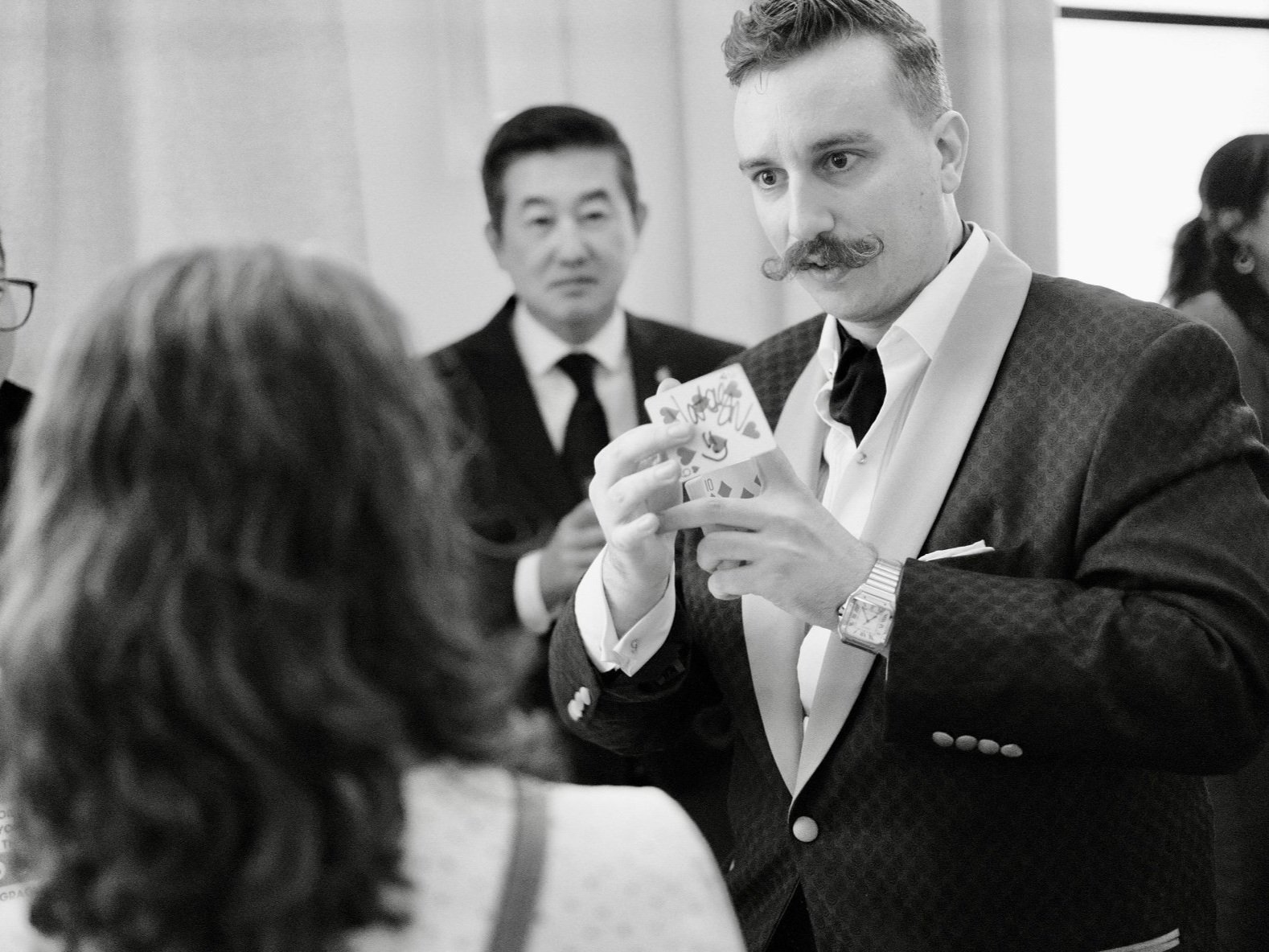
Step 1: How Magicians Prepare Starts With the Brief
The first trick happens before a deck of cards ever leaves the case.
A professional magician starts by learning what kind of event you are creating. A corporate reception, a wedding, and a private birthday dinner may all need magic, but they do not need the same performance.
Useful details include:
The guest count and age range
The schedule and length of the event
The venue layout
The dress code and overall mood
Any important people, themes, or sensitive topics
Why does this matter? Because a high energy company celebration might welcome playful interaction, while an intimate luxury dinner may call for something quieter and more refined.
The brief gives the performer a direction. Once that is clear, the next question becomes very practical: where will the magic actually happen?
Step 2: Read the Room Before Anyone Is in It
A beautiful venue can still be a difficult performance space.
Good preparation means checking how guests will move through the room. The magician needs to know where people enter, where drinks are served, where music is loudest, and which areas will become crowded.
For strolling magic, small pockets of open space matter. For a formal show, sightlines, lighting, sound, and seating become essential. Nobody wants the big finale hidden behind a floral arrangement the size of a compact car.
Here is the thing though... a floor plan only tells part of the story. Timelines shift. Cocktail tables move. A quiet corner becomes the busiest spot in the venue.
That is why an experienced magician studies the planned room first, then checks the real room on arrival. Now the setting is understood, it is time to shape the material around your guests.
Step 3: Build the Performance for Your Crowd
There is no universal set of tricks that works for every group.
The strongest performers choose material based on who your guests are and how they want to participate. Some crowds jump into the action immediately. Others need a little time before they are comfortable holding a card, offering a suggestion, or becoming the center of attention.
A magician may adjust for:
A multilingual audience
A mix of children and adults
Senior leaders at a corporate event
Guests wearing formal clothing
Cultural expectations or event traditions
Jeff Black’s work for Disney, Snapchat, and Marvel is a good example. Each audience has a different personality, so the performance must fit that specific room.
Sound familiar? You are making the same choices with food, music, and seating. Magic deserves that level of thought too. Then comes the part most guests never see: rehearsal.

Step 4: Rehearse the Moments Between the Tricks
Knowing the method is only the beginning.
A magician rehearses the effect, but also the words, timing, movement, and audience interaction around it. That includes how to approach a group, invite someone to join, handle a surprising response, and leave without interrupting the flow of the party.
The routine may be tested standing up, seated at a table, surrounded by people, or with music playing. Props are inspected. Pockets are arranged in a specific order. Transitions are practiced until nothing feels fussy or slow.
And honestly? This is where effortless comes from.
You should never feel like the performer is reciting instructions or searching for the next prop. The technical work needs to disappear so your guests can enjoy the moment. Rehearsal creates that freedom, but live events still have opinions of their own...
Step 5: Prepare for Everything That Could Change
Events rarely follow the schedule exactly. That is normal.
The magician prepares backup plans for the most likely surprises. Dinner might start late. The speeches might run long. A planned performance area might suddenly contain a photo booth. The guest count might grow without warning.
Preparation can include:
Shorter and longer versions of the set
Material that works without a table
Extra props in case something is damaged
A sound solution for a noisier room
Alternate routes through the crowd
The point is not to predict every possible disaster. It is to make sure one small change does not become your problem.
Would you rather see a performer argue with the timeline or quietly adapt? Exactly. Once the backup plans are ready, the final preparation happens on site.
Step 6: Arrive Early and Tune Into the Live Event
Early arrival is not glamorous, but it may be the most useful step.
The magician checks in with your planner or venue contact, confirms timing, walks the space, tests any sound equipment, and gets ready out of sight. More importantly, they watch the energy of the actual crowd.
Are guests arriving slowly? Is the room louder than expected? Are people gathering in tight circles or moving constantly? Those observations affect where the performance begins and how quickly it builds.
This is also when the polished plan becomes flexible. A confident performer does not cling to an idea that no longer fits. They make small adjustments so the magic feels like it belongs at your event.
By the time the first trick happens, most of the hard work is already finished. To your guests, it simply looks natural...
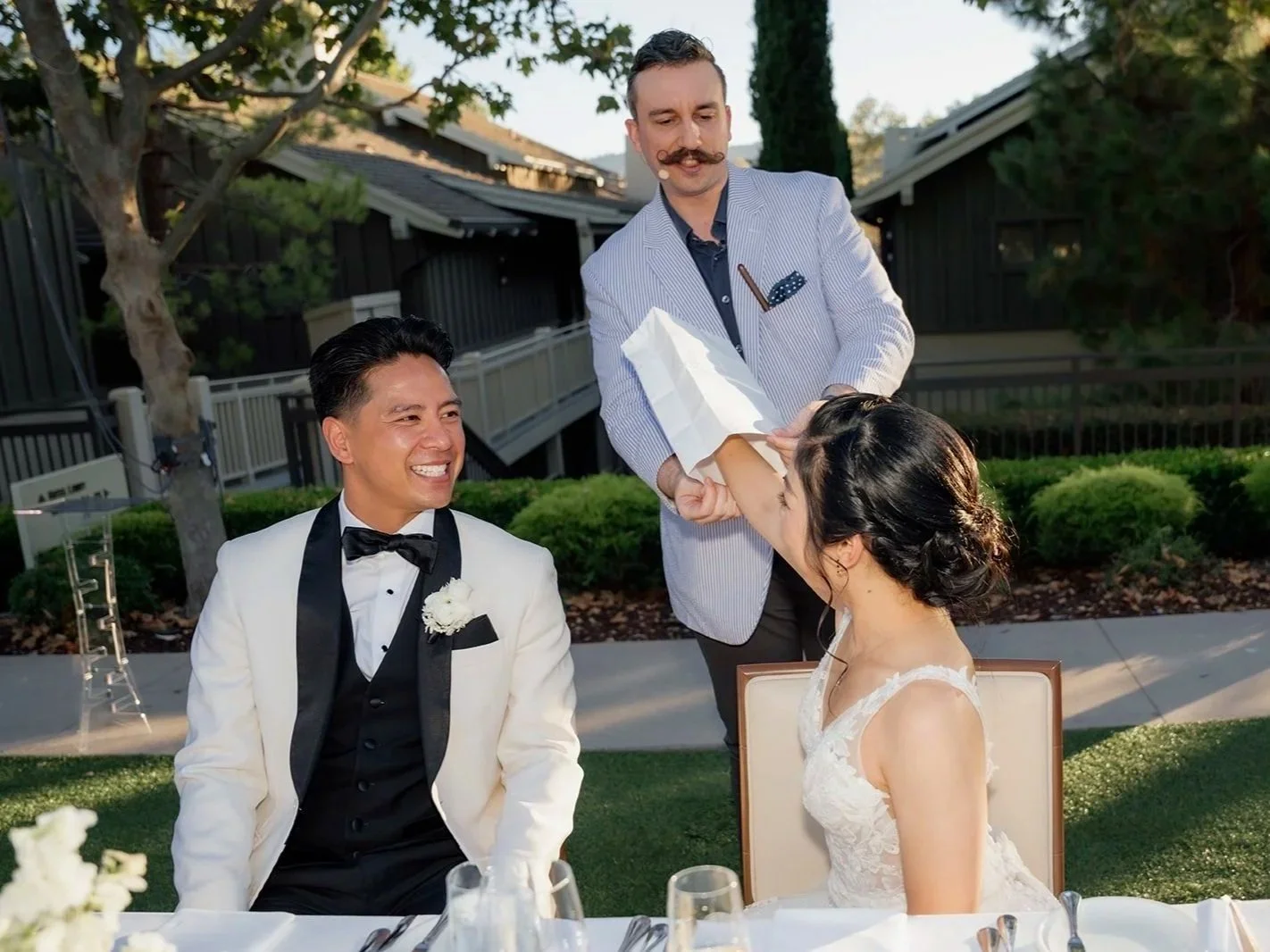
The Difference Is What Happens Before Showtime
Your event can still become the night everyone remembers, or the one where guests politely study the ice in their drinks.
That contrast is why how magicians prepare matters just as much as what they perform. The research, room planning, audience choices, rehearsal, backup plans, and early arrival all protect the experience you want your guests to have.
You do not need to manage every detail for the entertainer. You just need to share clear information, ask how they adapt, and choose someone who treats preparation as part of the performance.
If you want your guests laughing, connecting, and wondering how any of it was possible, check your date with Jeff Black and start the conversation.
FAQ
-
A magician usually needs your guest count, timeline, venue details, audience profile, and preferred atmosphere. The clearer the brief, the better the performance can fit your event.
-
Arrival time depends on the format, but it should allow enough time to check the room, confirm the schedule, prepare equipment, and adjust before guests need to be entertained.
-
An experienced magician can shorten or extend material, change locations, and adapt the performance to the room. That flexibility should be planned before the event begins. See What to Expect on the Day
Jeff Black is a Los Angeles-based magician who has performed at corporate events for Disney, Snapchat, Marvel, and hundreds of companies across Southern California. To check availability for your next event, visit jeffblackmagic.com.