

10 Ideas to Make Your Brand Activation Unforgettable

Your logo isn’t the experience.
You found the venue. The lighting looks incredible. The product displays are perfect. There is a branded wall designed specifically for Instagram.
Guests arrive.
They look around.
They take a photo.
Now what?
That is the question that separates a beautiful brand activation from one people actually remember.
Los Angeles audiences have experienced plenty of impressive events. They have seen rooftops, immersive installations, celebrity appearances, elaborate photo opportunities, and enough neon signs to light half the city.
Looking good is no longer enough.
People need something to do.
The strongest brand activations turn guests from spectators into participants. They create a moment someone wants to experience, talk about, and share, not because they were asked to post it, but because something genuinely interesting happened.
So instead of adding more decoration, think about what your audience will actually experience.
Here are 10 ideas to start with.
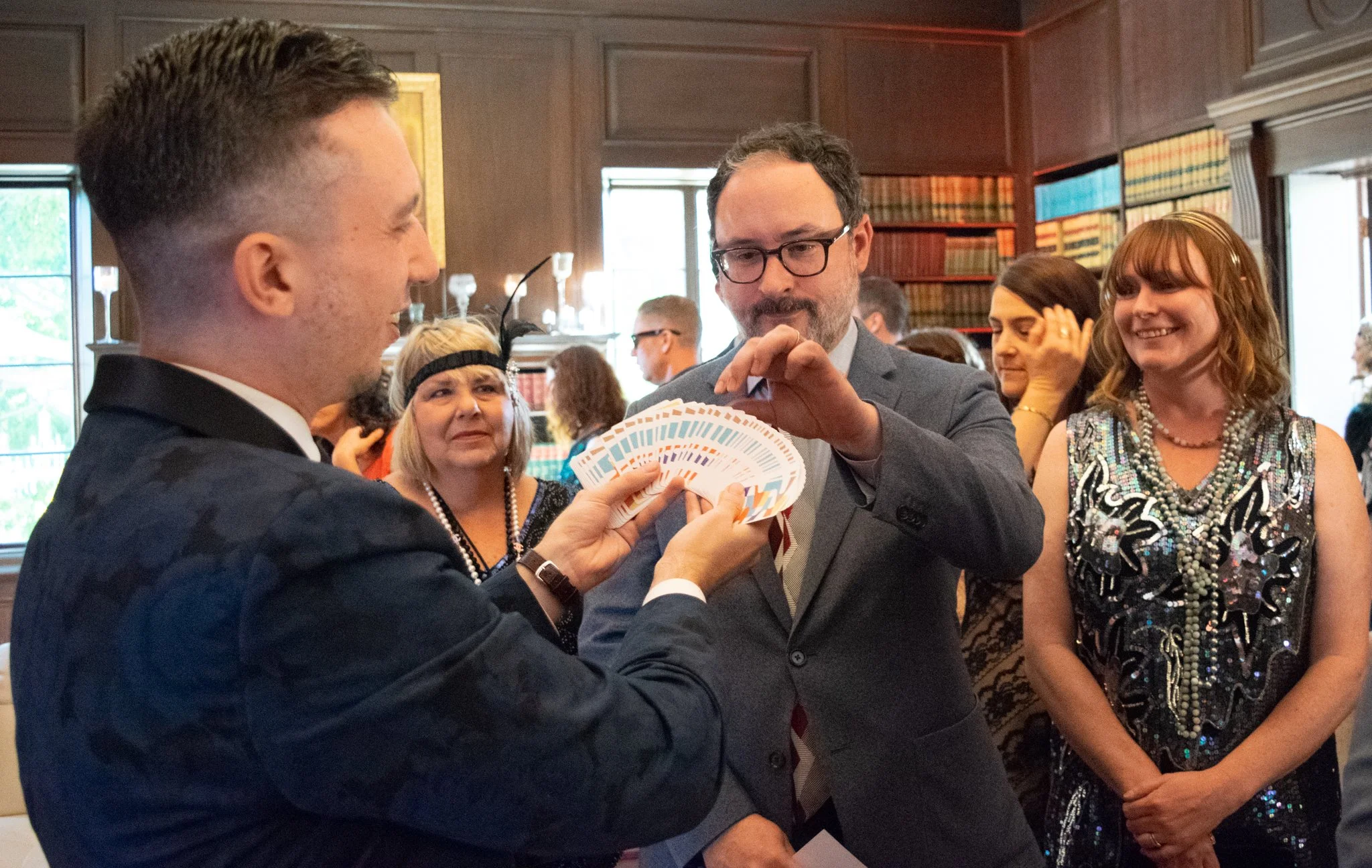
1. Turn the Product Into an Experience
Start with the most obvious thing in the room: your product.
Then ask what guests can actually do with it.
Instead of placing a product on a pedestal, build an interaction around what makes it interesting. Guests could test a feature, solve a challenge, customize something, compete against friends, or discover something unexpected.
A fitness brand might create a physical challenge.
A beauty brand might build a live customization station.
A tech company might let guests unlock different experiences through the product itself.
The specific idea changes with the brand.
The principle does not.
Let people experience the benefit instead of explaining it to them.
If someone understands what makes your product interesting because they just experienced it themselves, you have already done more than another branded display could.
2. Create an Impossible Brand Moment
There is a reason surprise works so well at an activation.
People stop.
They react.
Then they bring someone else over.
Interactive magic can turn a product, message, or campaign idea into something guests experience firsthand.
A product unexpectedly appears.
A guest makes a completely free choice that was somehow predicted in advance.
An object changes in their hands.
The important part is that the magic should not feel like a commercial interrupted by a card trick.
The brand belongs inside the experience.
When done well, guests remember both the impossible moment and who made it happen.
3. Bring Los Angeles Into the Activation
If the event is happening in LA, let the city contribute something beyond the address.
That does not mean adding palm trees and calling it a concept.
Los Angeles gives you access to artists, designers, musicians, performers, filmmakers, food, architecture, and neighborhoods with completely different personalities.
Use them.
A local illustrator could create something live as guests participate.
A fashion artist could customize pieces on site.
A downtown rooftop creates a completely different atmosphere from a Hollywood theater, studio lot, garden, or beachside property.
The venue and local talent should reinforce the brand story before someone ever sees the logo.
Make the activation feel like it could only have happened here.
4. Give Guests Something Made for Them
People remember experiences that respond to them.
That could mean personalized packaging, a live illustration, an embroidered item, a custom portrait, or a product modified on site.
But personalization can go beyond putting someone's name on something.
Let their decisions change the outcome.
Maybe guests choose between different elements that determine what gets created.
Maybe their answers become part of a performance.
Maybe every participant contributes to a larger installation that develops throughout the night.
Personalization becomes much more interesting when guests can see that their participation actually mattered.
Because adding someone's name to a generic screen is not always the unforgettable experience the planning deck promised.
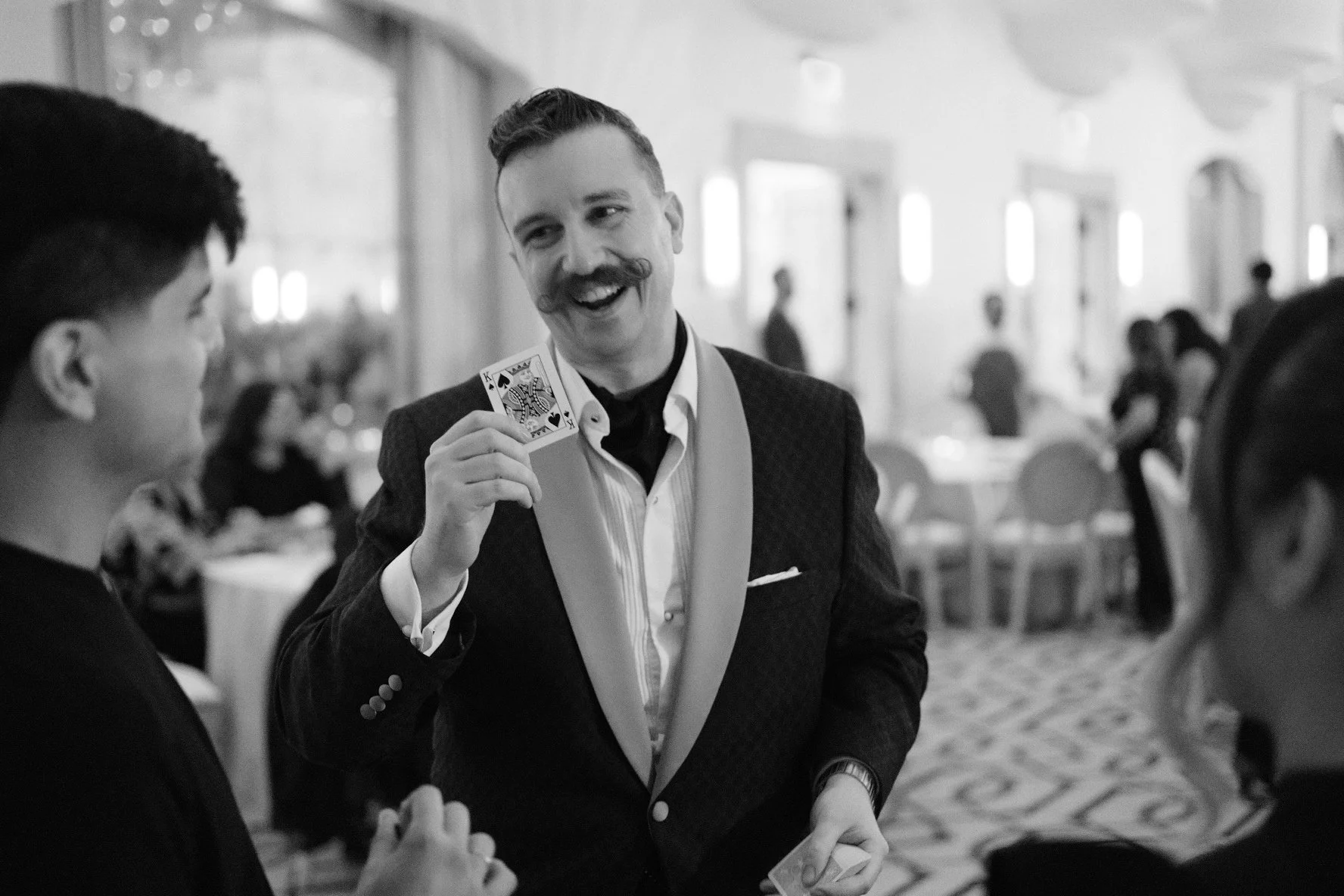
5. Build Something Together
Not every memorable activation needs to happen one guest at a time.
Give the entire audience something to create together.
It could be a collaborative mural, evolving projection, group prediction, digital installation, soundscape, or physical display that changes throughout the event.
The first guest sees one thing.
The hundredth guest sees something completely different.
And by the end of the event, everyone has contributed to the final result.
That creates a natural reason to come back and look again.
It also gives you something valuable for post-event content: the finished experience could not have existed without the people who attended.
6. Create One Moment Everyone Wants to Capture
You do not need 20 Instagram opportunities.
You need one really good one.
Think about the visual payoff of the activation before production begins.
What is the moment where someone instinctively reaches for their phone?
Maybe something transforms.
Something appears.
The environment changes.
A guest triggers an unexpected reaction.
A performer creates an impossible reveal.
Whatever it is, the moment should make sense quickly enough to work in a photo or short video.
Here is a useful test:
Would someone still want to share this if the logo disappeared?
If the answer is yes, you probably have something interesting.
If the logo is the only reason the moment exists, you may have built an advertisement instead of an experience.
7. Capture the Reaction, Not the Recreation
The best reaction usually happens once.
Someone gasps.
Laughs.
Looks at their friend.
Immediately asks, “Wait... what?”
Then a camera operator asks them to do it again.
It is never quite the same.
Instead, design content capture around the actual experience.
A roaming content team, strategically placed camera, or instant editing station can capture guests while something is genuinely happening.
That gives you better content and gives the guest something worth sharing.
The goal should not be to constantly remind people they are creating branded content.
Give them a real moment first.
The content follows.
8. Give People Something to Discover
Not every part of an activation needs to announce itself from across the room.
Sometimes discovery is more interesting.
Hide smaller experiences throughout the venue.
A guest might find a secret menu item, unexpected performer, hidden message, alternate room, collectible, or interaction that unlocks another part of the activation.
This creates curiosity.
People begin telling each other:
“Did you find the thing over there?”
Now guests are doing some of the work for you. They are exploring, comparing experiences, and bringing other people into the activation.
It can also reward guests who spend more time with the brand without making the event feel like a mandatory scavenger hunt.
9. Entertain the Line Too
You built the perfect activation.
Unfortunately, everyone wants to experience it.
At the same time.
A line is not automatically a problem. A boring line is.
If your centerpiece has limited capacity, think about what happens while guests wait.
Roaming performers, close-up magic, smaller interactive stations, live artists, music, or product experiences can keep the energy moving throughout the space.
This is where interactive magic can be particularly useful because it travels to the audience instead of requiring the audience to travel to it.
Jeff Black has performed for brands and organizations including Disney, Snapchat, and Marvel, where entertainment needs to work inside a larger experience rather than stopping everything around it.
The question is not only:
“How cool is our main activation?”
It is also:
“What is everyone else doing while they wait?”

10. Don't Let the Experience End at the Exit
The signage eventually comes down.
The venue gets cleared.
Everyone goes home.
Your activation does not necessarily have to end there.
Send guests the content created during the experience.
Reveal the completed collaborative artwork.
Share reactions and highlights.
Continue a challenge online.
Give participants access to something connected to what they experienced in person.
The follow-up should feel like the next chapter of the activation, not a generic marketing email that happens to arrive the following morning.
If the live experience gave people a story, your post-event content should help them continue it.
Make the Brand Part of the Story
An unforgettable brand activation does not require using all 10 of these ideas.
In fact, please don't.
Choose the two or three that make the most sense for your audience, product, venue, and campaign.
Then execute them well.
Because people probably will not remember exactly how many lights were installed or where every logo appeared.
They will remember what they did.
They will remember what surprised them.
They will remember what made everyone pull out their phones.
And they will remember the story they told someone who wasn't there.
The brand should be part of that story, not simply the backdrop behind it.
If interactive magic could give your activation the surprising live moment it needs, talk with Jeff Black about your audience, venue, and campaign idea.
If you want your guests interacting, sharing, and talking about your brand long after the event ends, check your activation date with Jeff Black and start the conversation.
FAQ
-
A memorable brand activation gives guests a meaningful role in the experience. Instead of simply looking at displays, they can participate, make choices, create something, or experience a surprising moment connected to the brand.
-
Entertainment can attract attention, create interaction, manage energy throughout the venue, and give guests something worth talking about afterward. It works best when the entertainment supports the campaign idea rather than feeling like a separate performance.
-
Start by creating something people genuinely want to capture. Design one strong visual or emotional payoff, then make it easy to photograph or film the real reaction rather than asking guests to recreate it afterward.
Jeff Black is a Los Angeles-based magician who has performed at corporate events for Disney, Snapchat, Marvel, and hundreds of companies across Southern California. To check availability for your next event, visit jeffblackmagic.com.